Incoloy forgings are strong, corrosion-resistant parts produced from a number of Incoloy alloys like 800, 825, 925, and many others based on usage. These forgings possess superior mechanical strength, thermal stability, and corrosion resistance in a broad range of environments, such as high-temperature oxidation, as well as acidic or marine atmospheres. Forging increases the grain flow and structural integrity of the alloy, leading to enhanced fatigue strength and conformance to specifications. Incoloy forgings find extensive application across aerospace, power generation, chemical processing, oil and gas, and marine engineering due to their high resistance to thermal and chemical stress.
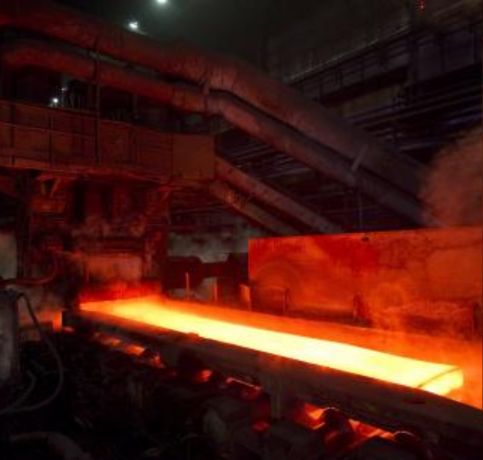
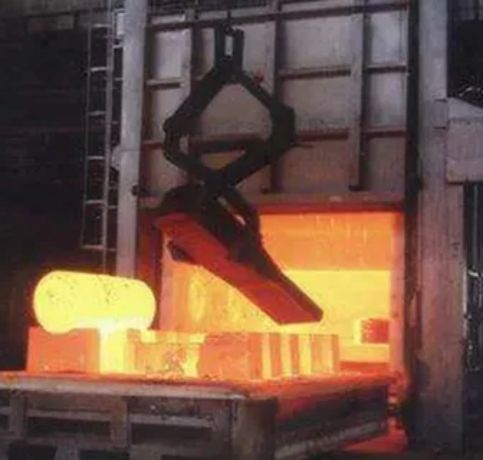
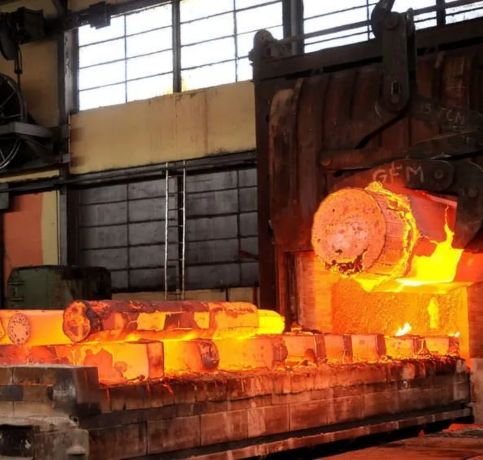
Incoloy forgings of differing composition are based on the alloy grade but typically consist of 30–45% nickel, 20–23% chromium, with iron being the balance. Other elements such as molybdenum, titanium, or copper enhance corrosion resistance as well as strength. Forgings possess superior tensile strength (to 950 MPa), yield strength, and superior resistance to creep, oxidation, and chloride-stress cracking. Forging improves the grain refinement and mechanical performance with equal stress distribution. These forgings are heat-treated to improve mechanical robustness and corrosion resistance in severe structural and chemical service environments.
| Specifications | ASTM B564, ASME SB564 |
| Standard | DIN, ASTM, BS and all International Standards |
| Flat bar blocks | up to 27″ width and 15,000 lbs |
| Cylinders and sleeves | up to 50″ maximum O.D. and 65″ maximum length |
| Discs and hubs | up to 50″ diameter and 20,000 lbs |
| Rolled, hand forged or mandrel forged rings | up to 84″ maximum O.D. and 40″ maximum length |
| Rounds, shafts and step shafts | up to 144″ maximum length and 20,000 lbs |
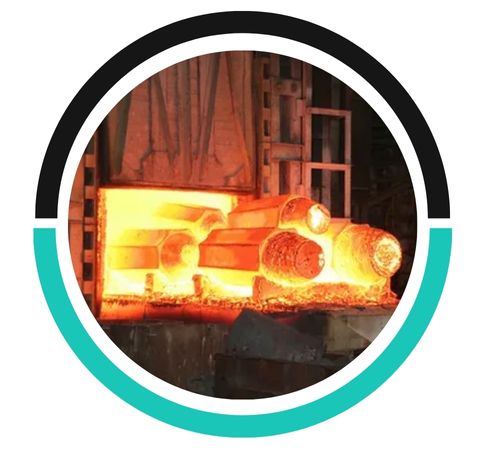
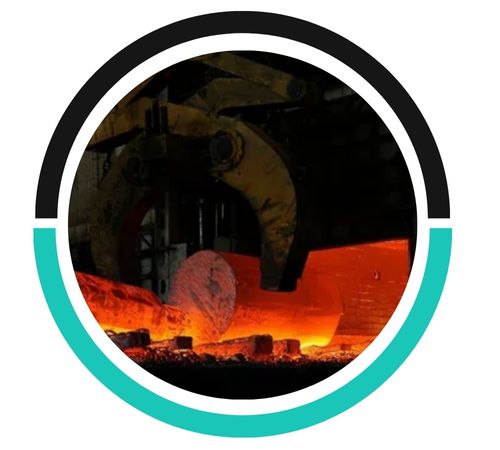
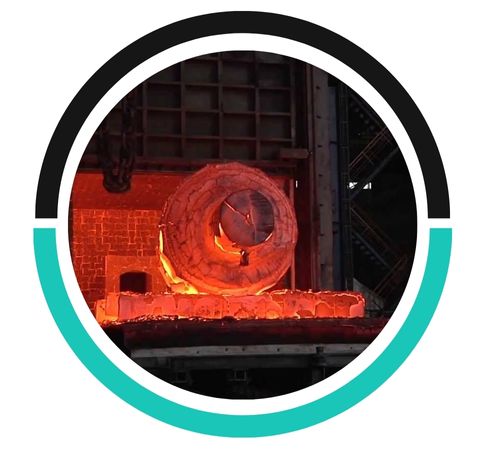
| Forging Types | Impression Die Forging, Open Die Forging, Seamless Rolled Forging, Hot Forging, Cold Forging, Open die hammer forging, Impression die drop forging, Closed Die Forging, Press Forging, Upset Forging, Compression Forging, Swaging, Rotary Forging, Roll forging. |
Yes, Incoloy forgings are highly corrosion-resistant, especially to oxidation and carburization, making them ideal for high-temperature and harsh environments, such as chemical processing and power generation applications.
Incoloy forgings are used in aerospace for turbine engine components, exhaust systems, and heat exchangers due to their excellent heat resistance, strength, and corrosion resistance in extreme temperature environments.
The ideal temperature range for forging Incoloy is typically between 2,100°F (1,150°C) and 2,300°F (1,260°C). This range ensures optimal material flow and properties without compromising strength or integrity.
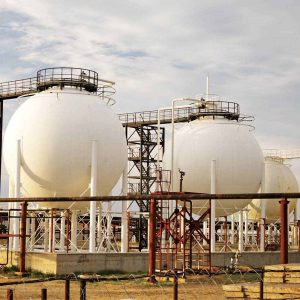
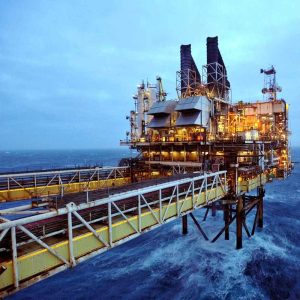
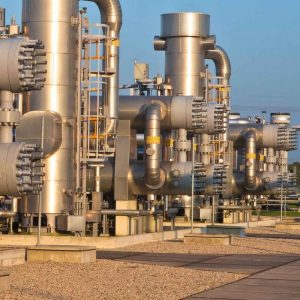
Incoloy forgings find their application in numerous diverse industries like petrochemical reactors, heat exchangers, valves, shafts, fasteners, and downhole tools. They are particularly well-suited for sour gas service, marine environments, and high-temperature process applications. Aerospace parts like turbine blades, engine components, and combustor liners take advantage of the high thermal resistance of Incoloy forgings. Power generation employs them in superheaters, boiler components, and condenser systems. Incoloy forgings also form a critical part of high-performance piping systems, flanges, and fittings in nuclear, refining, and chemical processing facilities.


We provide products that come with both mill test certificates and third-party test certificates, ensuring the highest standards of quality and compliance.
Aiman Metals is a leading manufacturer, supplier, and exporter of high-quality bars, rods, and forgings, catering to various industries in Kuala lumpur, Malaysia
Copyright 2024 Aiman Metals. All rights reserved